
Why Public Safety Alerts Must Move Faster Than Social Media During Prisoner Manhunts
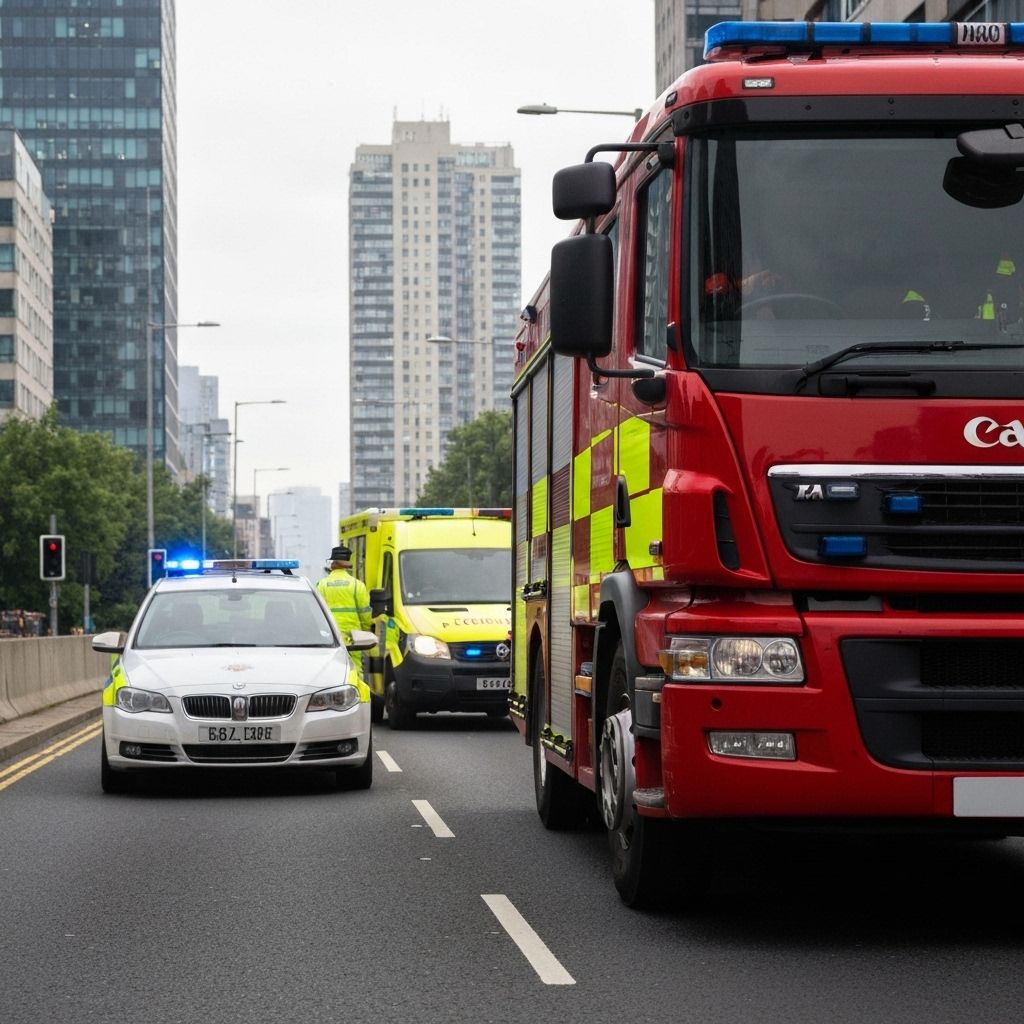
When a high-profile terror suspect escaped from a London prison in late 2023, media coverage highlighted how commuters first learned of the search through rolling news updates and social feeds rather than direct police alerts. A few months later, a violent offender was mistakenly released from custody and a citywide appeal followed; residents traded unverified screenshots long before official details were published. In both incidents, speculation travelled faster than verified updates, making it harder to capture timely, actionable sightings.
These incidents are reminders that social media virality is not the same as situational awareness. Rumours move faster than official statements, photos are reposted without context, and inaccurate descriptions spread within minutes. A modern public safety response needs infrastructure that matches that velocity while preserving accuracy, auditability, and two-way communication. Otherwise, the rumour mill outruns the people trying to keep communities safe.
What the last year exposed
- Alert latency: Manual approval chains meant that initial Khalife bulletins were drafted in email, then copied to press offices, then to social media. Twenty-first-century manhunts cannot depend on seventies-era workflows.
- Fragmented channels: Forces relied on X, Facebook, and press conferences while commuters wanted direct alerts inside the TfL app, BBC Verify feed, or personal SMS.
- One-way messaging: During the January mistaken release, officers described switchboards being swamped with duplicate or incomplete tips because citizens had no structured way to submit sightings.
- Local authority silence: Councils and Local Resilience Forums often waited for the Home Office before speaking, even though they control sirens, roadside signage, and council newsletters.
- Data confusion: Multiple descriptions, clothing details, and CCTV stills circulated without a single authoritative source; people stopped sharing because they were unsure what was current.
Social media alone cannot carry the load
Public appeals now travel fastest through TikTok, neighbourhood Facebook groups, and encrypted messaging chains. They are invaluable for reach, but they lack:
- Targeting: A Camden resident and a Cornwall tourist receive the same information, even if only Camden matters.
- Verification: A single outdated still image can linger for days, eroding confidence in the official search.
- Feedback loops: Comments and DMs do not capture GPS, timestamps, or the witness’s contact details in a structured way.
Social media should amplify—not substitute—an alerting backbone that can push precise instructions, capture sightings, and feed investigators instantly.
The communication blueprint for high-risk prisoner incidents
1. Pre-authorised alert templates
Hold pre-approved playbooks that cover: escape or absconsion, erroneous release, recall to prison, and high-risk licence breach. Templates should include:
- a plain-language description and risk level
- last confirmed location plus geo-targeting radius
- a photo block that automatically renders across push, SMS, and roadside signage
- contextual instructions (stay vigilant, do not approach, call 999 quoting CAD reference)
2. Multi-channel, location-aware delivery
Relying on social media assumes citizens are scrolling the right feed. Instead:
- Push to cell broadcast, opt-in SMS, workplace safety platforms, and mobility apps simultaneously.
- Mirror the message on digital street signage and transport displays inside the defined geofence.
- Trigger automated voice calls for registered vulnerable residents who may not use smartphones.
3. Structured citizen response capture
Open reporting shouldn’t mean open season on switchboards. Provide:
- in-alert response buttons that capture sightings with timestamp, GPS, and optional media upload
- automated triage that scores submissions for proximity and credibility
- secure routing into the control room CAD system so duty officers act on the best leads first
- closed-loop messaging that thanks contributors and tells them when their information has been actioned, reinforcing trust in the channel
4. Shared intelligence workspace
Give prisons, police, local authorities, and private security teams a shared dashboard:
- All alerts, responses, and CCTV hits sync in real time.
- Decision logs capture why instructions were issued, satisfying post-incident reviews and FOI requests.
- Comms teams see what frontline officers see, so press lines stay accurate even as rumours trend online.
- Partners can pre-load “gold, silver, bronze” action cards so there is no debate about who briefs schools, transport, or local businesses.
5. Transparent public updates
Regular cadence matters more than perfection. Commit to:
- a rolling 30-minute update cycle until the person is located
- explicit acknowledgement of rumours (“Reports circulating about sightings in Camden have not been verified”) to calm speculation
- a clear debrief once resolved, including how citizen tips contributed
- a summary for councillors, business improvement districts, and community leaders so they can cascade accurate messages
Implementation roadmap for forces and councils
1. Audit current workflows – map every approval step between identifying an escape and notifying the public; strip duplicate sign-offs.
2. Connect systems – integrate prison security logs, police CAD, and local authority channels into a single alerting platform with API triggers.
3. Exercise quarterly – rehearse mistaken-release scenarios with Met Police, BTP, NHS trust security, and local media so everyone knows their role.
4. Measure responsiveness – track time-to-first-alert, citizen response quality, and time-to-resolution. Publish KPIs internally and with oversight bodies.
5. Invest in trust – communicate outside crises about how data is handled and why citizens should opt into verified alerts.
How Is Everyone Safe can help
Is Everyone Safe (IES) can deliver these capabilities for UK councils and private operators:
- Pre-configured escape templates aligned with HM Prison and Probation Service protocols.
- Geo-targeted alerts that land on resident apps, SMS, and digital signage within 90 seconds.
- Two-way citizen reporting with automated triage into police CAD systems.
- Shared dashboards so prison governor teams, gold command, and comms officers view the same feed.
Call to action
The next high-risk escape should not rely on hashtags and recycled news clips. If you need to modernise how your force or local authority alerts residents about absconders and mistaken releases, book a 30-minute design session with our resilience team. We will map your current workflow, highlight latency risks, and show how IES can push verified intelligence to the people who need it—faster than the rumour mill.
Ready to Enhance Your Crisis Communication?
See how Is Everyone Safe can help protect your people during emergencies.